hotel v
The Amsterdam spirit: surprising, and rough around the edges.



Hotel V combines design, hospitality and a distinctive identity. Music always played a key role. It's about atmosphere, surprise and occasionally pushing boundaries.
Sjaak, how did Hotel V actually start?
It all started with my grandparents. They ran a small bed & breakfast on Victorieplein in Amsterdam. In 1999, my parents bought it from them and transformed it into Amsterdam's first design hotel. We went from IKEA furniture to actual design pieces. And from Hotel Victorie to a proper brand: Hotel V.
What makes each location unique?
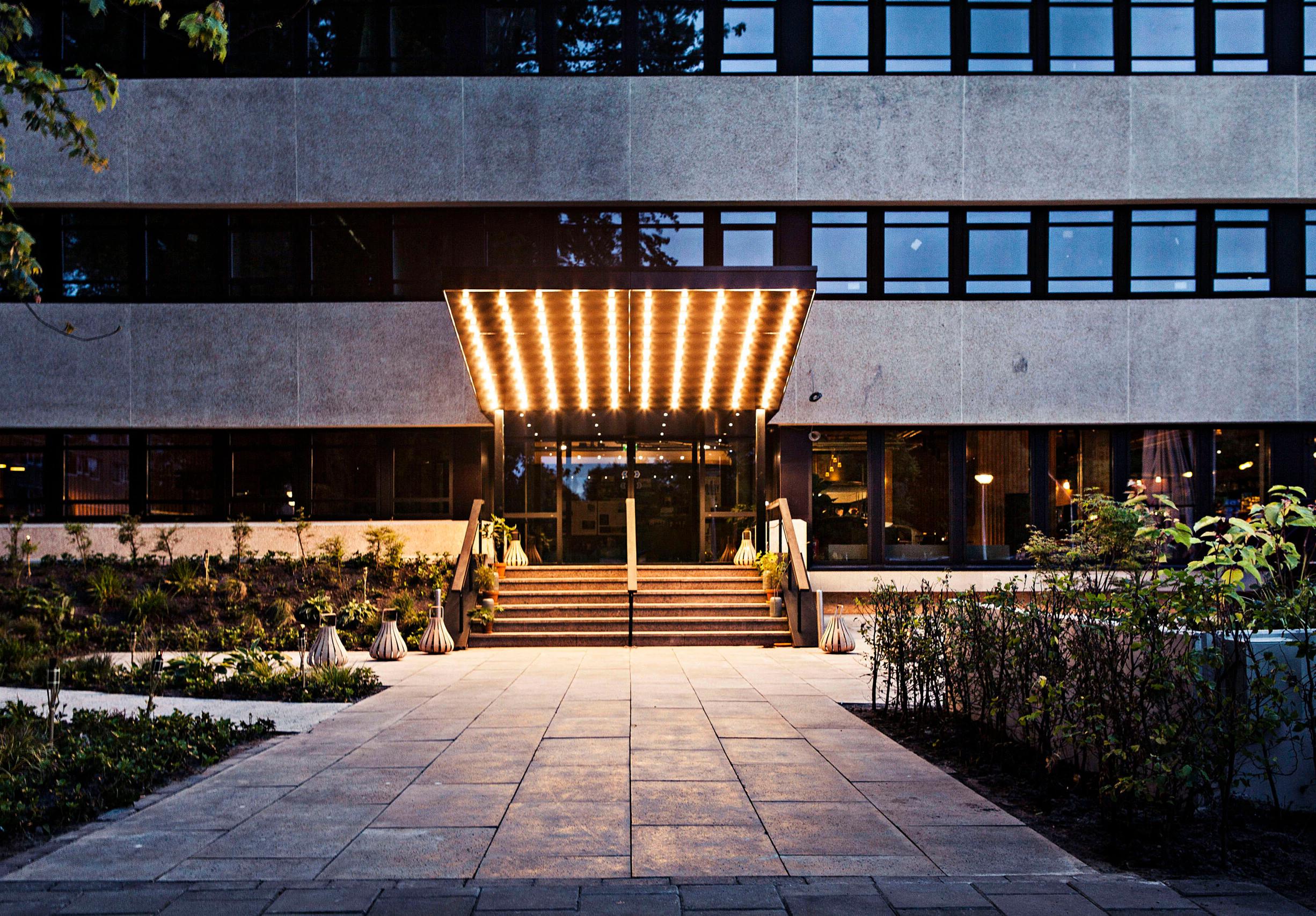
We feel deeply connected to the city. Each property has its own character, linked to the neighborhood and the building itself. De Nes, for example, has a theatre theme with a stage in the lobby. Fizeaustraat is a seventies building with vintage rugs, wood paneling and era-specific furniture. But our biggest venture is yet to open: a 420 room-hotel, which is a huge step for us. Our identity has to grow and evolve with this step. That applies to music too.
“Each property has its own character, linked to the neighborhood and the building itself.”
What role did music play in your family?
My parents met at the Roxy, a renowned nightclub in Amsterdam’s roaring nineties. My father made all the hotel playlists himself for years, collecting CDs across several record stores in Amsterdam. Until it became too time-consuming, so I took over.
What's your approach to music at Hotel V?
The principle was simple: don't be average. At Hotel V, a classical track can be followed up by hip-hop. You might hear Edith Piaf followed by something that clashes.
“Next thing: they all started moving to the beat. That's exactly what we want to achieve.”
I remember a moment at Frederiksplein when a whole touring car of elderly people walked in. There was a quiet, classical song playing. Then Juicy Fruit came on. Their first reaction was, 'What is this?' Then, next thing you know, they were all moving to the beat. That's exactly what we want to achieve. We aim to surprise, but in a way that still feels right.
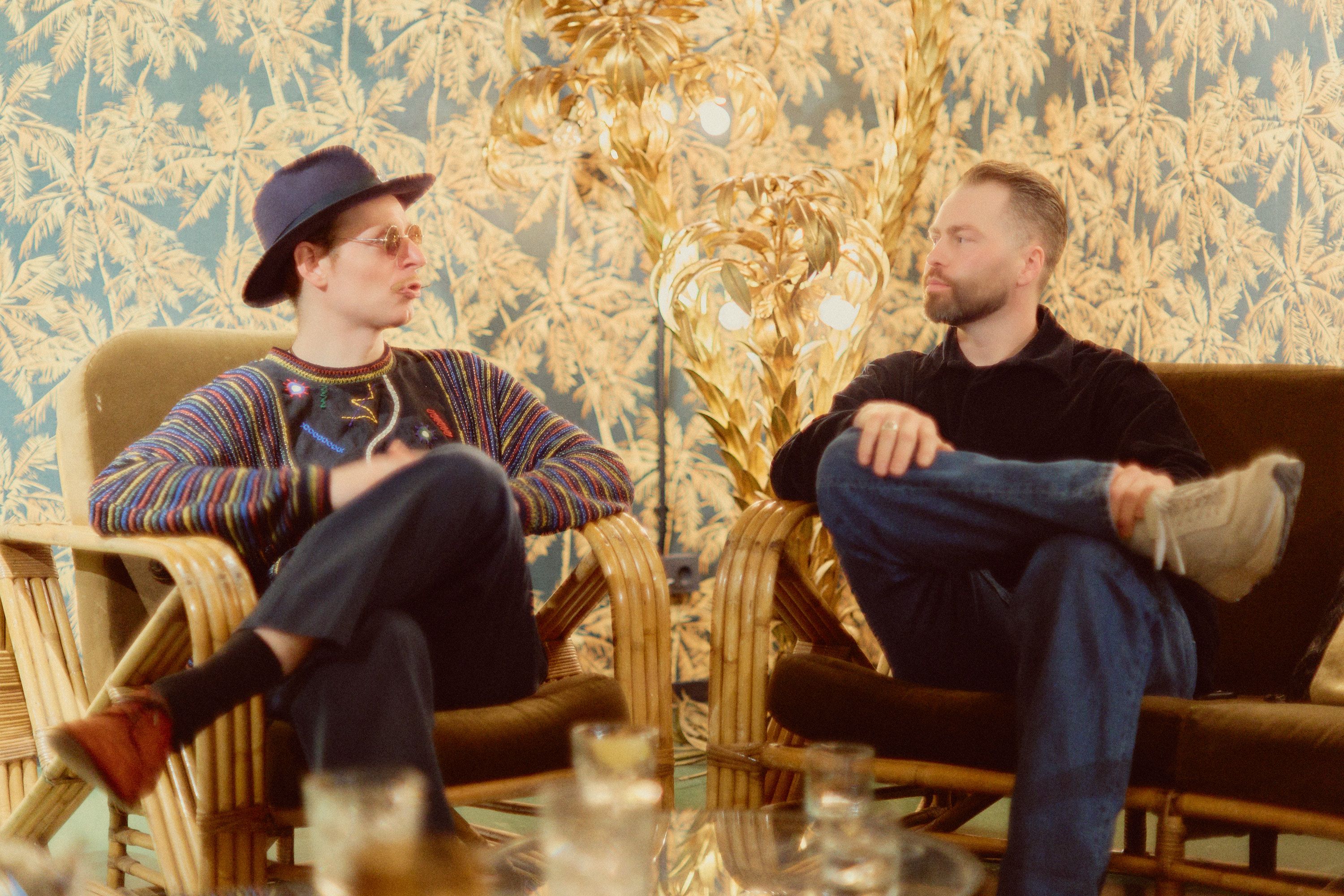
Lucas, as a curator, how did you get into music?
I started out as a breakdancer. At twelve I discovered jazz, funk, soul and hip-hop on the dance floor. I immediately went to record stores. Not to become a DJ, but to learn about the music I was dancing to. At sixteen, I bought my first records. DJing at dance battles followed naturally.
I now run a label, teach music history at dance academies, and do weekly radio shows. Club nights, festivals, radio shows: I used to see it as a weakness, trying to do everything instead of focusing on one thing. Now I see the strength in it. Because it was at those radio shows that I found real freedom of expression.
How do you collect music?
I'm on promo lists and receive fifty to a hundred albums per week. As a daily listener, you start to recognise patterns. When looking for new music, I usually don't start by searching for an artist. I dive into producers, studios and labels. If their sound hits me, I go through their whole catalog. It can lead me to ten projects with the same sound; projects I would never have stumbled upon otherwise.
“I dive into producers, studios and labels. If their sound hits me, I go through their whole catalogue.”
How do you approach curation for Hotel V?
I imagine: what would I want to hear walking to breakfast? What fits with a cocktail at the end of the day? It's broad. From morning to evening, from relaxed to just a bit more edge. At Hotel V, there's room for the music to get more dynamic. It's okay to have two genres that might clash. A classical track can be followed by jungle. Not because it has to, but because it fits. It gives them something to talk about. The question I ask myself is: how can we keep surprising guests in ways that sound and feel authentic to us?
Can you give an example?
Illnoledge, two Dutch brothers. I've known them since their first demos. Their debut album came out recently. I waited years for it. Now they're in the morning, afternoon and evening playlists. Most people have never heard of them. And that's exactly the point.
Sjaak, why do you think this works?
Lucas understands the context. For Hotel V that means: music that reinforces our identity without being intrusive. It's not background music. It's part of the experience. Just like the vintage rug in the lobby or the stage at de Nes. Details that show care and attention.
“People are moved, stay longer, maybe order another cocktail.”
And at Hotel V, we do notice the effect. Guests might recognise a track, then be surprised by what comes next. Music can strengthen your brand. It creates a good atmosphere. People are moved, stay longer, maybe order another cocktail. That's what good music does to a space: it changes how you feel being there.


